
Digital Babysitters: Are Screens Replacing Real Parenting?
In today’s fast-paced world, screens have become a convenient solution for keeping children occupied. Whether it’s a tablet during dinner or a smartphone in the car, many parents rely on digital devices to manage their child’s behavior and attention.
But what happens when screens begin to replace real parenting? Using screens as babysitters may seem harmless, but over time, it can impact a child’s emotional development, attention span, and ability to form meaningful relationships.
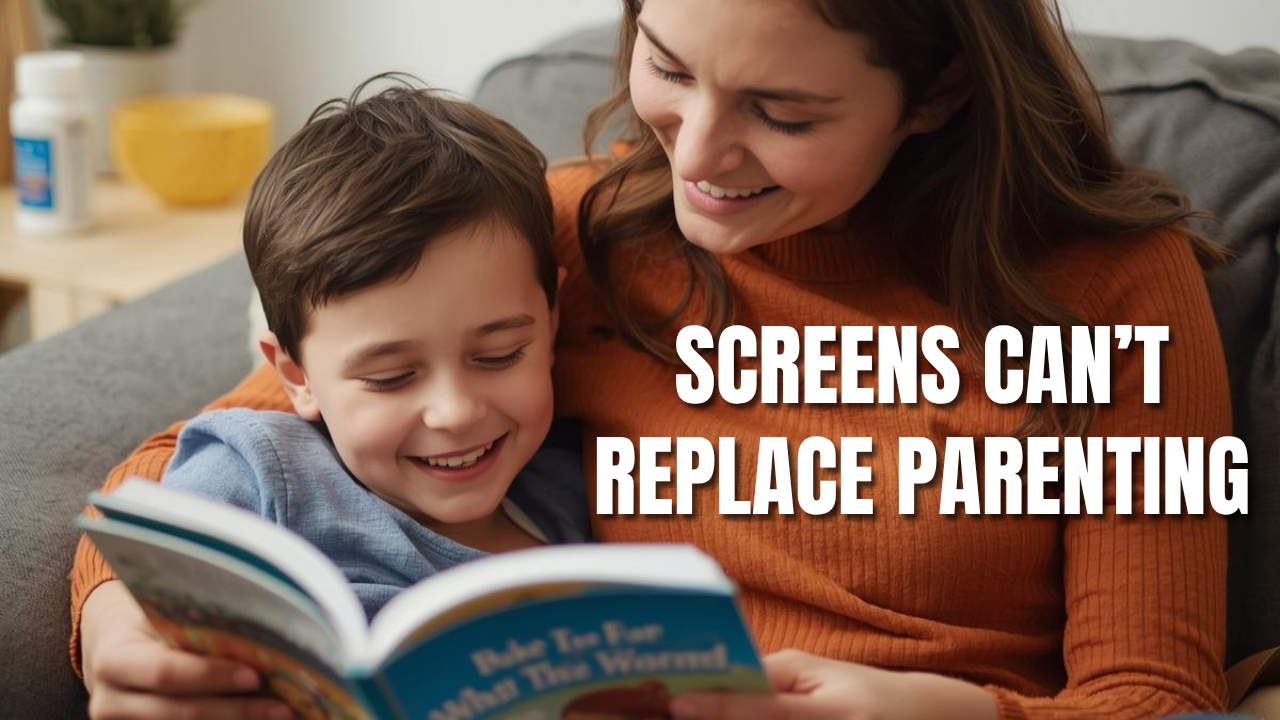
Children learn through interaction - eye contact, conversation, and play are essential for cognitive and emotional growth. When screens take the place of these interactions, children may struggle with empathy, communication, and self-regulation.
Parents often turn to screens out of necessity. However, it’s important to recognize the difference between occasional use and habitual reliance. Creating screen-free moments, even in short bursts, can help restore balance.
Alternatives to Screen Babysitting:
- Set up creative play stations or rotating toys
- Involve children in simple chores
- Dedicate even 10 minutes of focused interaction daily
Ultimately, screens should supplement - not substitute - parenting. By being intentional with tech use and prioritizing real-world engagement, families can nurture healthier relationships and support their child’s development in meaningful ways.