
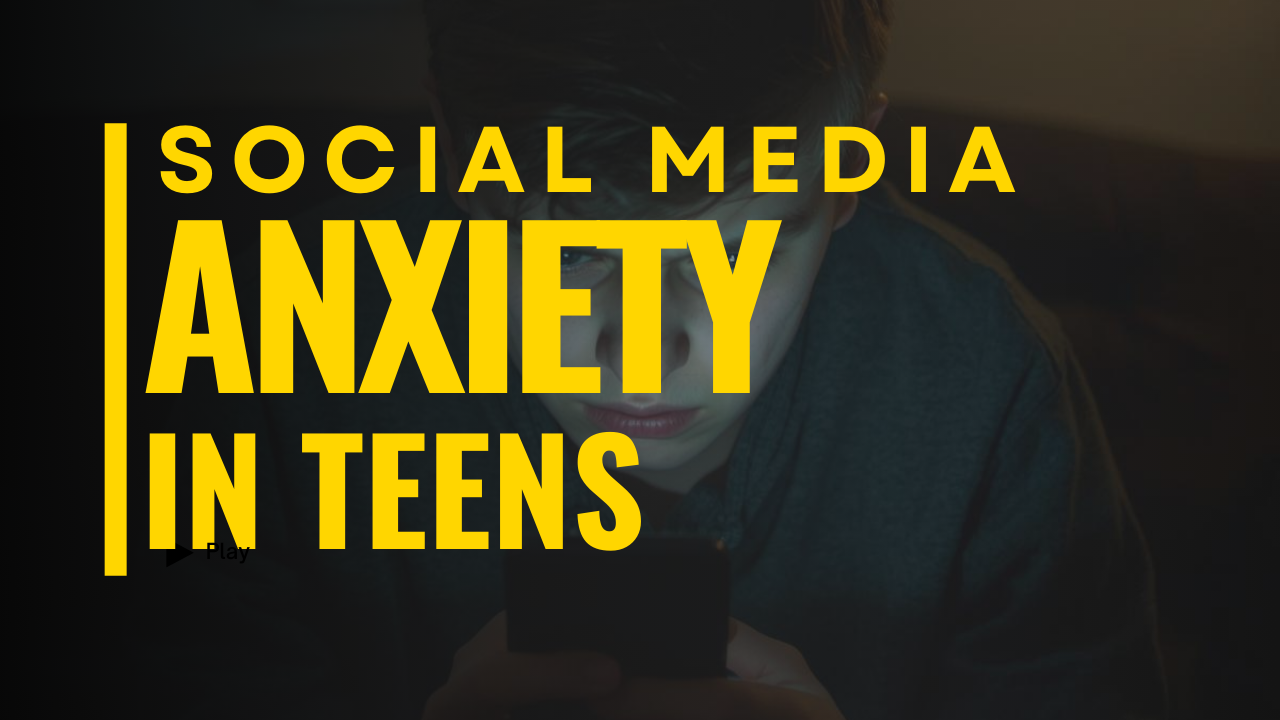
The Science Behind Screen Addiction: What Every Parent Should Understand
Ever wonder why your child begs for “just five more minutes” on their favourite game or app? It is not just stubbornness, it is brain chemistry at work. Screens trigger the same reward pathways as sugar, gambling and even addictive substances.
Understanding the science behind screen addiction can help you set boundaries with confidence and compassion.
How Screens Hijack the Brain’s Reward System
When your child plays a game or scrolls social media, their brain releases dopamine, the “feel-good” chemical. Dopamine motivates us to seek rewards, and screens deliver them in rapid bursts:
- Likes and comments on social media
- Level-ups and loot boxes in games
- Endless new videos on TikTok or YouTube
Each hit reinforces the habit, creating a loop of craving and reward. Over time, the brain starts expecting these quick dopamine spikes and struggles with slower, real-world rewards such as reading or playing outside.
Why Kids Are More Vulnerable
Children and teens have developing brains, particularly in areas that control impulse and self-regulation. This makes them more sensitive to dopamine surges, less able to resist instant gratification, and more likely to form strong habits quickly. Combine this with apps designed for maximum engagement, and you have a perfect storm for digital addiction.
Signs Your Child’s Tech Use Is Becoming Harmful
Watch for these warning signs:
- Meltdowns when screens are removed
- Loss of interest in offline activities
- Sleep disruption from late-night scrolling or gaming
- Mood swings tied to device access
- Sneaking devices or lying about usage
If these patterns persist, it is time to take action.
Science-Backed Strategies for Digital Balance
Use Dopamine Substitutes
Replace screen rewards with real-world dopamine hits like physical activity, creative projects, or social connection through family games. Movement and creativity trigger dopamine naturally without the addictive loop.
Create Predictable Screen Windows
The brain loves predictability. Set clear screen-time blocks to reduce anxiety and power struggles: after homework, before dinner, but never during meals or 60 minutes before bed.
Pair Tech Use with Offline Activities
Balance dopamine spikes with grounding activities. After gaming, try 15 minutes of outdoor play, or after social media, encourage family conversation or journaling. This teaches the brain to transition smoothly between digital and real-world rewards.
Model Healthy Habits
Children learn by watching adults. If you are glued to your phone, they will be too. Try tech-free meals, weekend digital detox challenges, and sharing your own strategies for balance.
Talk About the Science
Kids respond well to facts. Explain: “Games and apps are designed to make your brain want more. It is not your fault, but we can work together to keep it balanced.” Empower them with knowledge instead of shame.