
Why Kids Need Unstructured Time in a Digital Daze World
Why Kids Need Unstructured Time in a Digital Daze World
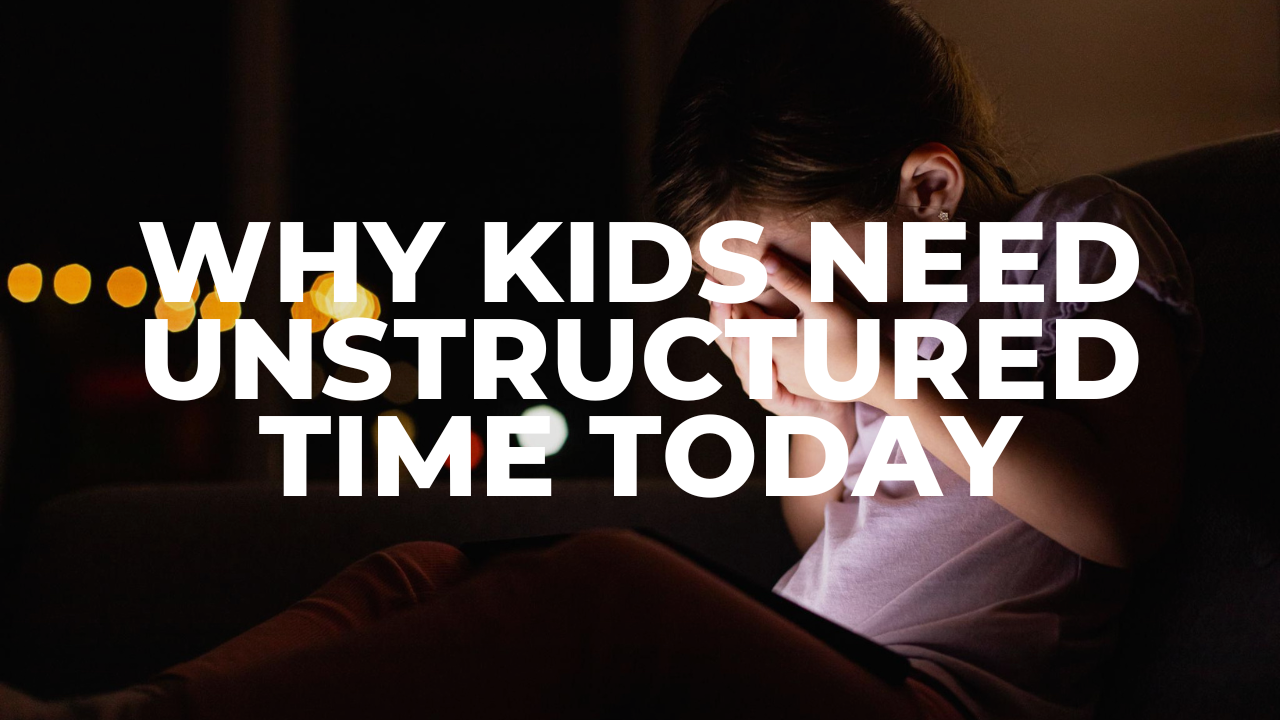
A child is sitting on the couch. Phone in hand. Scrolling.
For many parents, this is a normal scene now.
But behind this normality is something important slowly shifting in childhood. The loss of unstructured time.
Not learning time. Not organised activity time. Just a simple, open space to think, play, and be bored.
What unstructured time really is
Unstructured time is time without direction.
No schedule. No activity is planned. No screen guiding what comes next.
It might look like:
- playing outside with no rules
- building something out of random objects
- drawing without an outcome
- sitting and doing nothing
To adults it can look boredom.
To children, it is where development starts.
Why boredom is not a problem
Most parents try to fix boredom quickly.
But boredom is not a problem.
Boredom is the starting point of creativity.
When a child is bored, the brain is forced to stop looking outward for stimulation and start looking inward. That is where imagination, curiosity, and problem solving begin.
If boredom is always removed, that process never develops.
What too much screen time is changing
The issue is not screens themselves. It is constant access.
When screens fill every quiet moment, children begin to lose:
- patience for stillness
- tolerance for boredom
- ability to focus deeply
- interest in self-directed play
Over time, this can shift how they think. From creating, to consuming. From imagining, to reacting.
What unstructured time builds in children
When children are given space to play freely, they naturally develop:
- creativity through imagination
- emotional regulation through experience
- decision making through trial and error
- independence through self-directed play
These are not academic skills. They are life skills.
What parents can realistically do
This does not require big changes.
It starts small.
Try:
- setting aside 30 to 60 minutes a day with no screens
- allowing boredom to exist without stepping in
- encouraging outdoor play without rules
- keeping simple materials available for creativity
The key is not to organise the time.
The key is to allow it.
Why this matters long term
A child who learns to sit with boredom becomes an adult who can think independently.
A child who creates their own play becomes someone who can solve problems under pressure.
A child who experiences quiet becomes someone who understands themselves without constant stimulation.
These are not small outcomes. They shape who a child becomes.
We live in a world that fills every moment.
But childhood was never meant to be fully occupied.
Unstructured time is not a waste of time. It is where thinking develops, imagination grows, and identity forms.
Sometimes, the most important thing a child can do is nothing at all.