
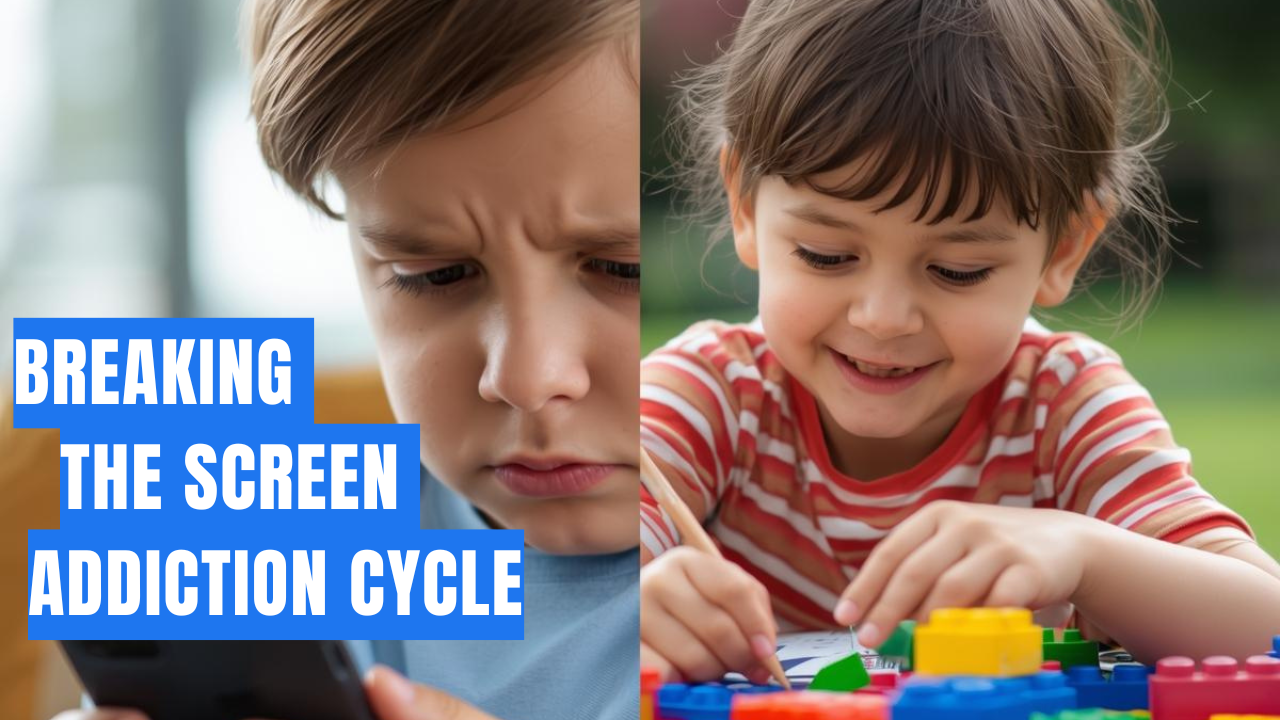
The Dopamine Trap: Why Kids Crave Screens and How to Break the Cycle
Every time your child unlocks a new level in a game or receives a like on social media, their brain releases dopamine - a feel-good chemical that reinforces behavior.
While dopamine is essential for motivation and learning, digital platforms are designed to exploit it, creating addictive loops that are hard to break.
The Science Behind the Craving
Dopamine is released in anticipation of a reward. Apps and games use unpredictable rewards (like loot boxes or surprise notifications) to keep users engaged. This creates a cycle of craving and gratification that mimics the patterns seen in substance addiction.
Signs Your Child May Be Caught in the Dopamine Trap
- Difficulty stopping screen use even when asked
- Irritability when devices are removed
- Loss of interest in offline activities
- Constant seeking of digital stimulation
Breaking the Cycle
- Introduce Predictable Rewards: Replace random digital rewards with consistent offline incentives like praise, stickers, or privileges.
- Encourage Natural Dopamine Sources: Promote physical activity, creative play, and social interaction.
- Limit High-Stimulation Apps: Reduce exposure to apps designed for endless engagement.
- Teach Mindfulness: Help children recognize cravings and develop self-regulation skills.
Understanding the dopamine dynamics behind screen addiction empowers parents to intervene effectively. By offering healthier sources of stimulation and setting thoughtful boundaries, families can escape the dopamine trap and restore balance.