
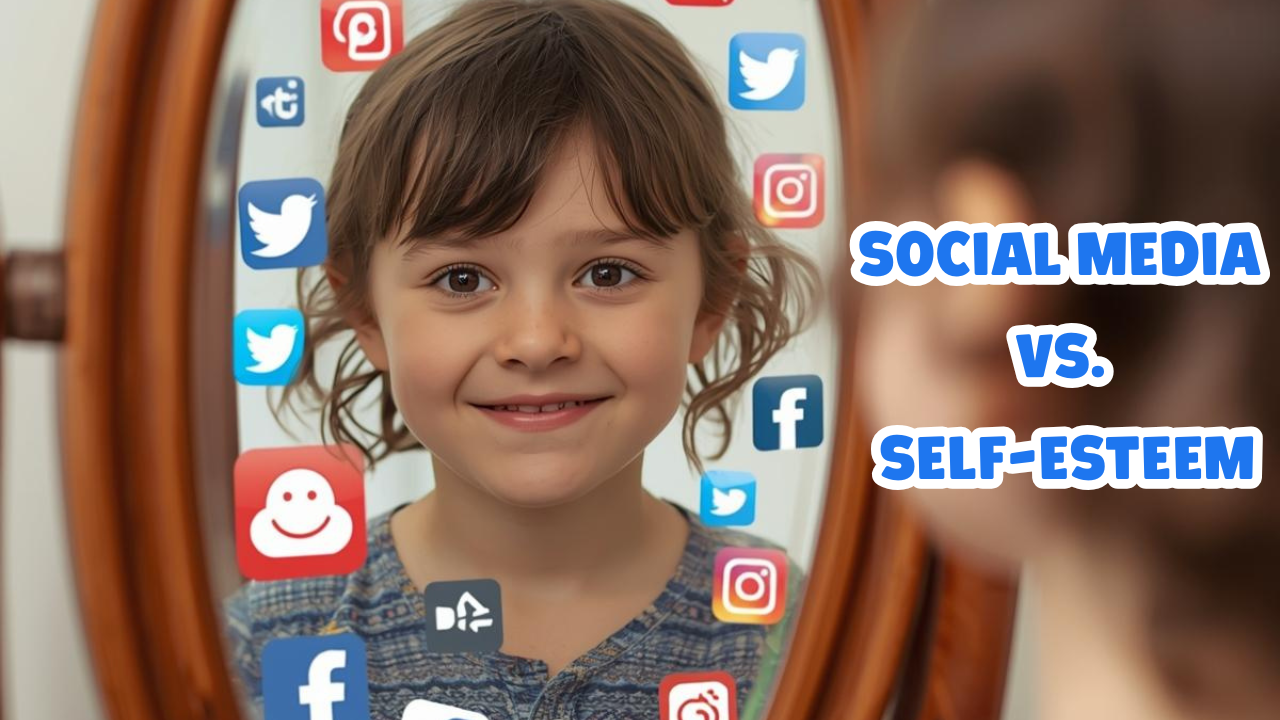
Screens and Self-Esteem: How Social Media Shapes Your Child’s Identity
Social media can be a double-edged sword for children. While it offers connection and self-expression, it also exposes them to comparison, judgment, and unrealistic standards.
This blog explores how social media influences self-esteem and identity - and how parents can help children build resilience.
The Comparison Trap
Children often measure their worth by likes, followers, and curated images of peers. This can lead to:
- Feelings of inadequacy
- Anxiety and depression
- Obsession with appearance and popularity
Identity Formation in the Digital Age
During adolescence, children are forming their sense of self. Social media can distort this process by:
- Encouraging external validation over internal values
- Promoting conformity over authenticity
- Reducing real-world experiences that shape identity
Building Digital Resilience
- Talk About Online Realities: Discuss how social media is curated and doesn’t reflect real life.
- Encourage Offline Achievements: Celebrate accomplishments in school, sports, and hobbies.
- Model Healthy Self-Esteem: Show confidence in your own imperfections and values.
- Limit Exposure: Set age-appropriate boundaries for social media use.
Social media doesn’t have to harm your child’s self-esteem. With open conversations, supportive environments, and mindful boundaries, parents can help children navigate the digital world with confidence and authenticity.
Buy now
Our book is currently in sale.