
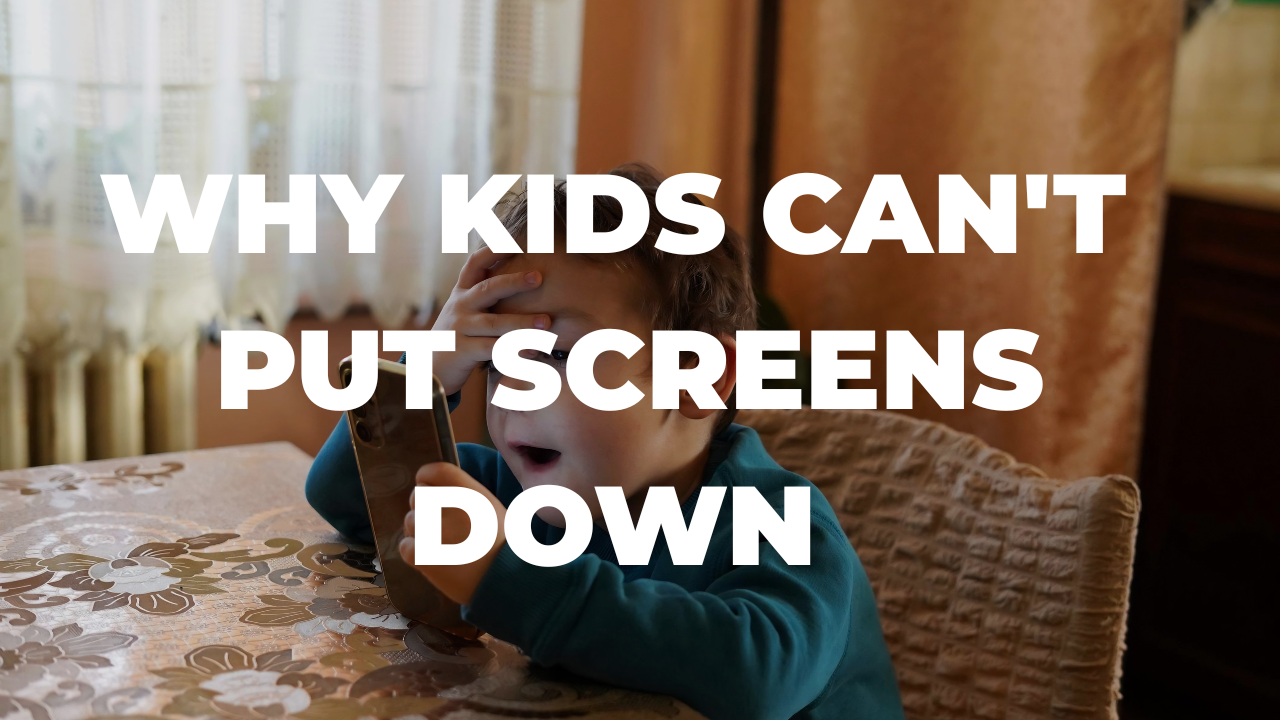
The Dopamine Trap Why Kids Crave Screens and How to Break th
The Dopamine Trap: Why Kids Crave Screens and How to Break the Cycle
Every time a child unlocks a game level, gets a like on social media, or receives a notification, the brain releases dopamine. This is a natural chemical linked to motivation, reward, and learning.
The issue is not dopamine itself. The problem is how digital platforms are designed to repeatedly trigger it, creating strong habits that can be difficult for children to regulate.
Why do kids crave screens so strongly?
Dopamine is released not just when a reward is received, but also in anticipation of it. This is where screens become powerful.
Many apps and games are intentionally designed around:
- Unpredictable rewards like surprise notifications or loot drops
- Endless scrolling or progression systems with no natural stopping point
- Fast feedback loops that keep attention locked in
Over time, this creates a cycle of anticipation and reward that can feel hard for children to step away from.
What are the signs your child may be caught in this cycle?
When screen use is driven by dopamine loops rather than choice, certain behaviours often appear.
These may include:
- Struggling to stop screen use even when asked
- Irritability or frustration when devices are removed
- Loss of interest in offline hobbies or activities
- Constant seeking of stimulation through screens
These signs suggest that the brain is becoming accustomed to high stimulation environments.
How can parents help break the cycle?
The goal is not to remove all stimulation, but to rebalance where reward and enjoyment come from.
Practical strategies include:
- Creating predictable offline rewards such as praise, privileges, or simple recognition
- Encouraging natural dopamine activities like sport, movement, creative play, and social interaction
- Reducing exposure to highly stimulating apps that are designed for endless engagement
- Teaching children simple mindfulness skills so they can recognise urges and pause before reacting
These approaches help children rebuild control rather than rely on constant stimulation.
What does this look like in real life?
When families begin replacing constant digital stimulation with structured offline activities, children slowly adjust.
First, there may be resistance. Over time, attention improves, emotional regulation strengthens, and interest in real world activities begins to return.
Understanding how dopamine influences behaviour gives parents a clearer picture of why screen habits can become so strong.
When children are given healthier sources of stimulation and consistent boundaries, they can regain balance and develop better self-control.
Digital Daze by Martial A Peter provides practical tools and real-world strategies to help parents understand digital behaviour, reduce screen dependency, and guide children toward healthier, more balanced habits in everyday life.